
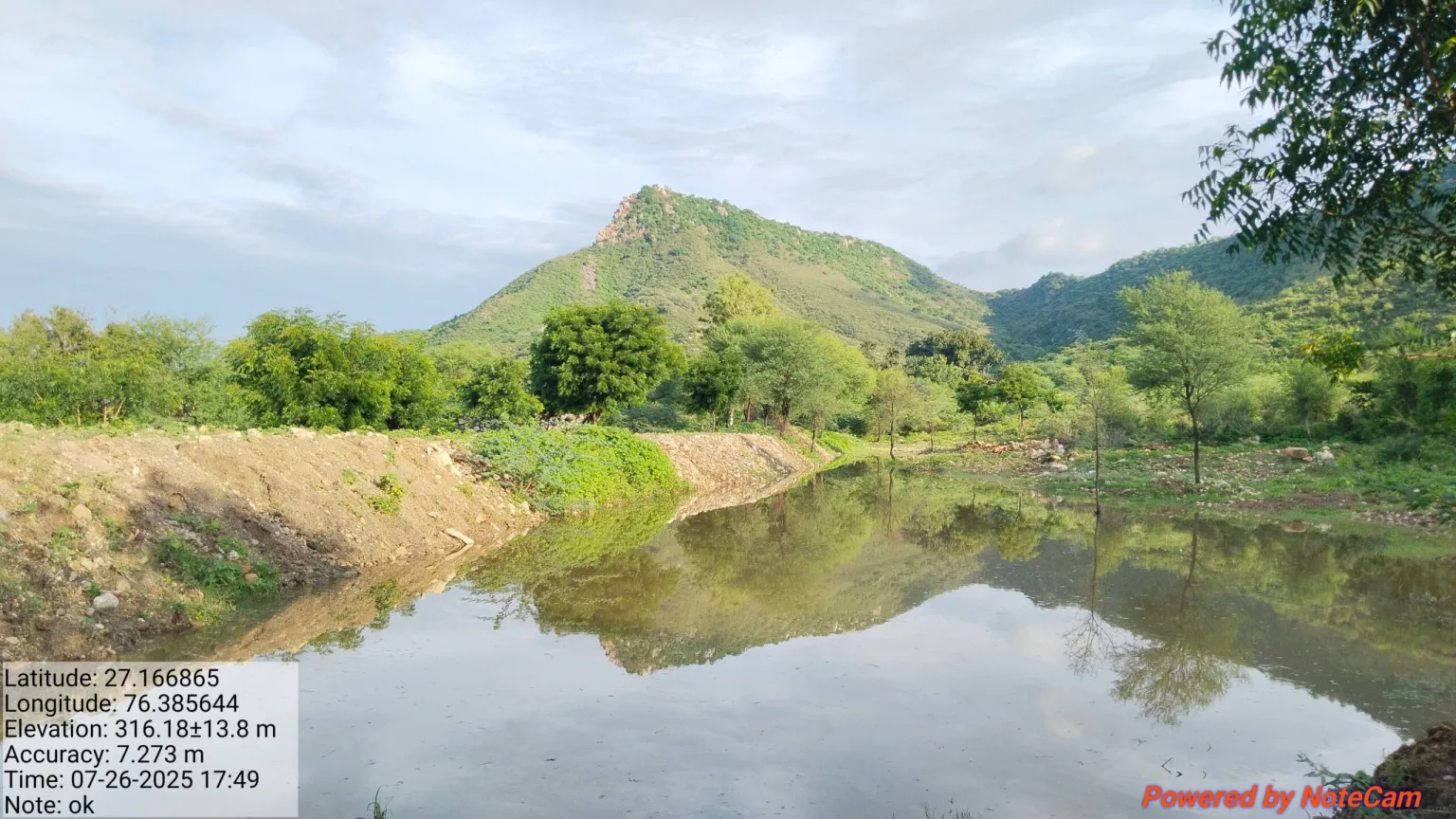
Water Security
Bringing Water Back to Lands and Lives
In water-scarce rural regions, the consequences of water scarcity extend far beyond drinking water. When rainfall runs off rather than replenishing the land, groundwater declines, wells become unreliable, agriculture suffers and livestock becomes harder to sustain. For families dependent on small farms, this can translate directly into declining incomes and greater livelihood insecurity.
Our work begins by looking at water within its landscape. We work with communities to restore and strengthen terrain-specific, time-tested systems for capturing rain where it falls and allowing it to recharge the ground. Traditional knowledge provides an important starting point, while scientific understanding of terrain, catchments and water flows helps us strengthen that knowledge for present-day conditions.
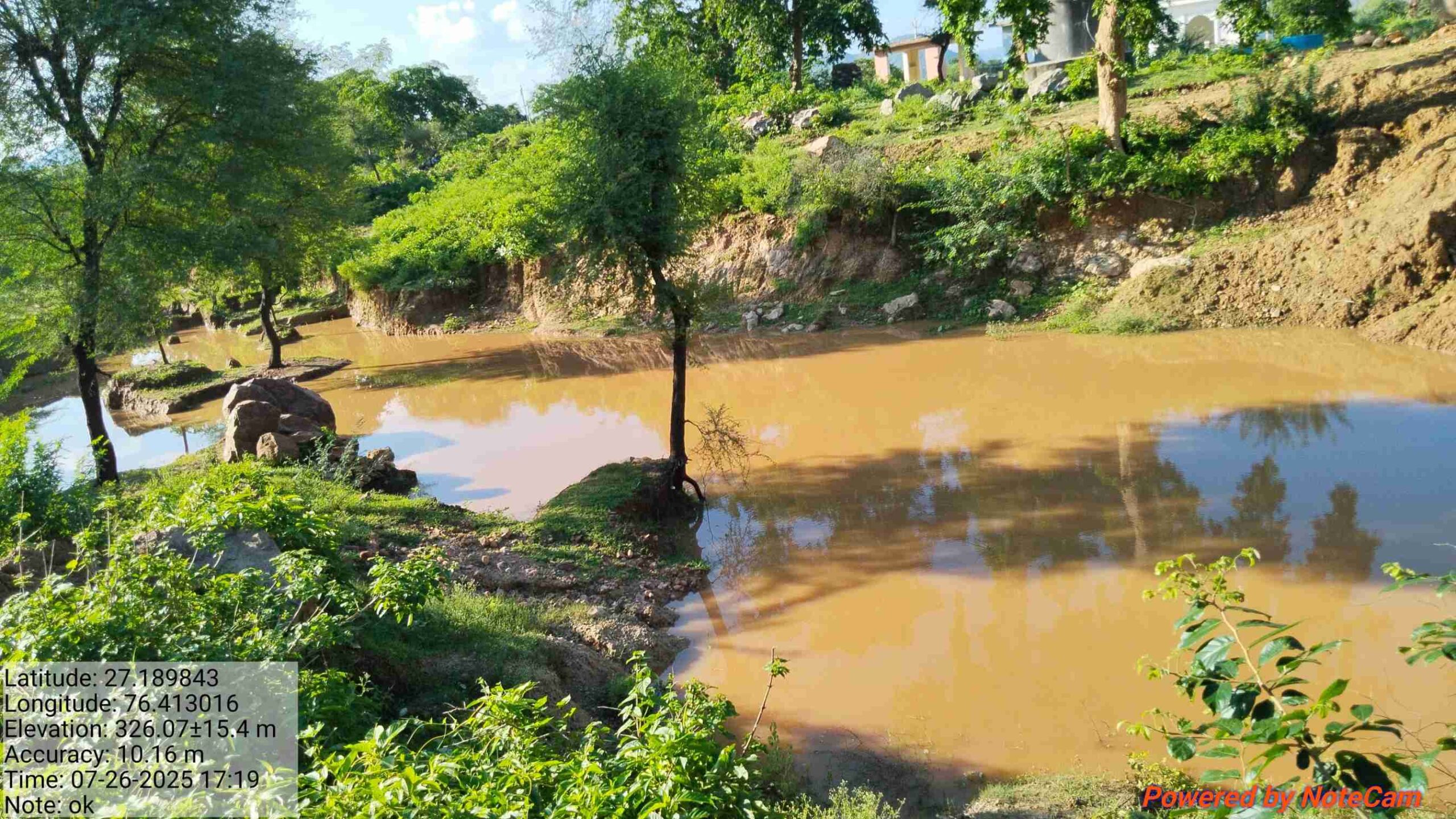
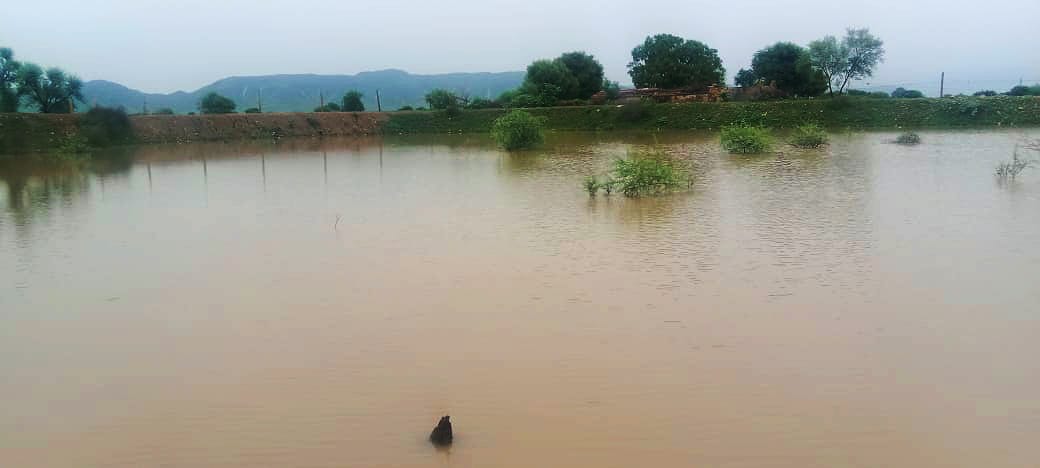
The result is not simply a structure that holds water. It is water returning to the landscape—recharging groundwater, supporting wells, sustaining agriculture and livestock, and creating the conditions for stronger rural livelihoods. Water security is valuable in itself, but its impact becomes greater when families can use improved natural resources to make their land more productive and their livelihoods more secure.
Orchard-Based Livelihoods
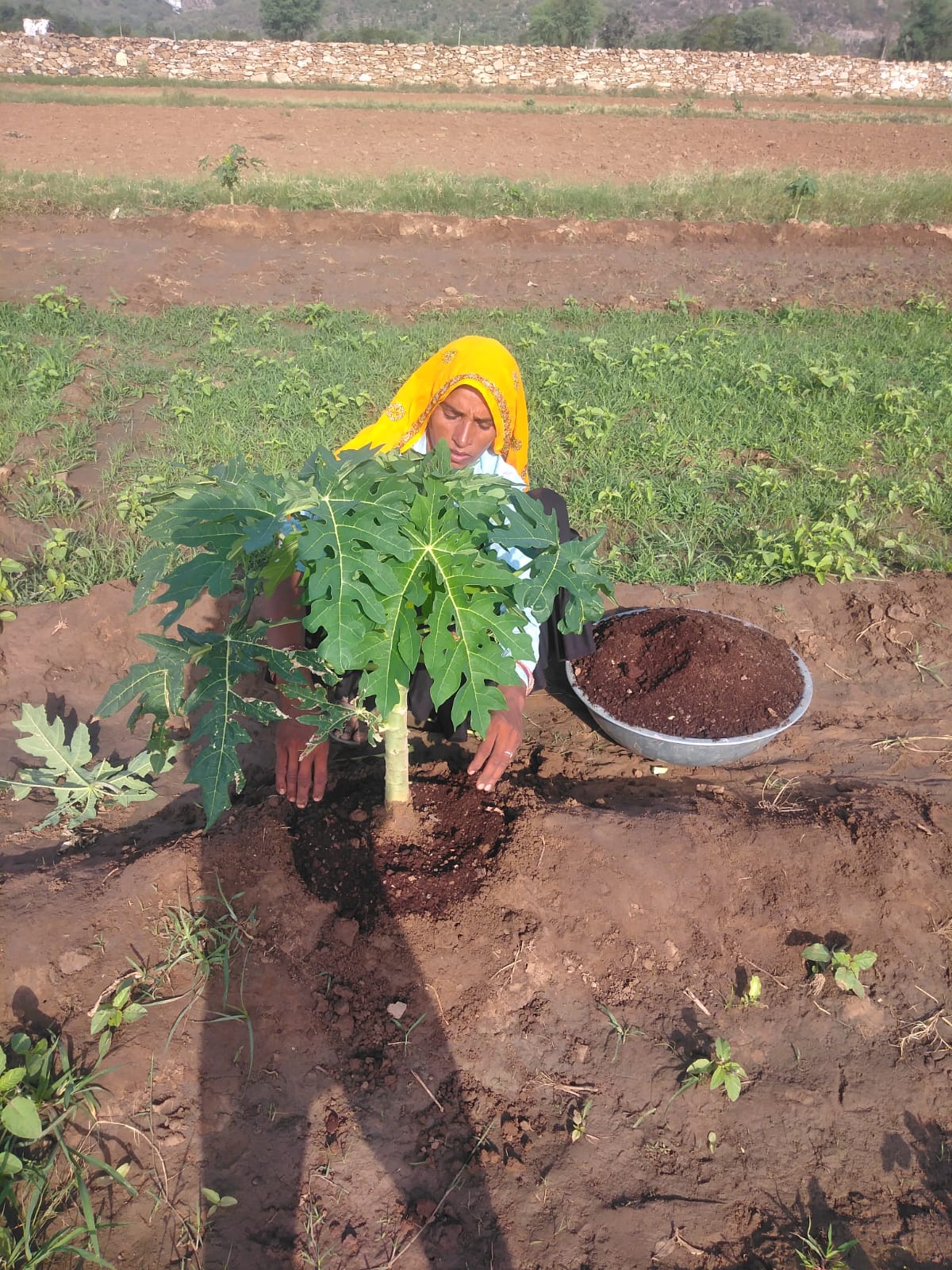
Turning Small Farms into Long-Term Productive Assets
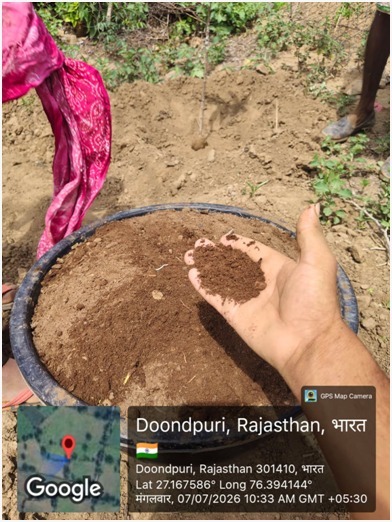
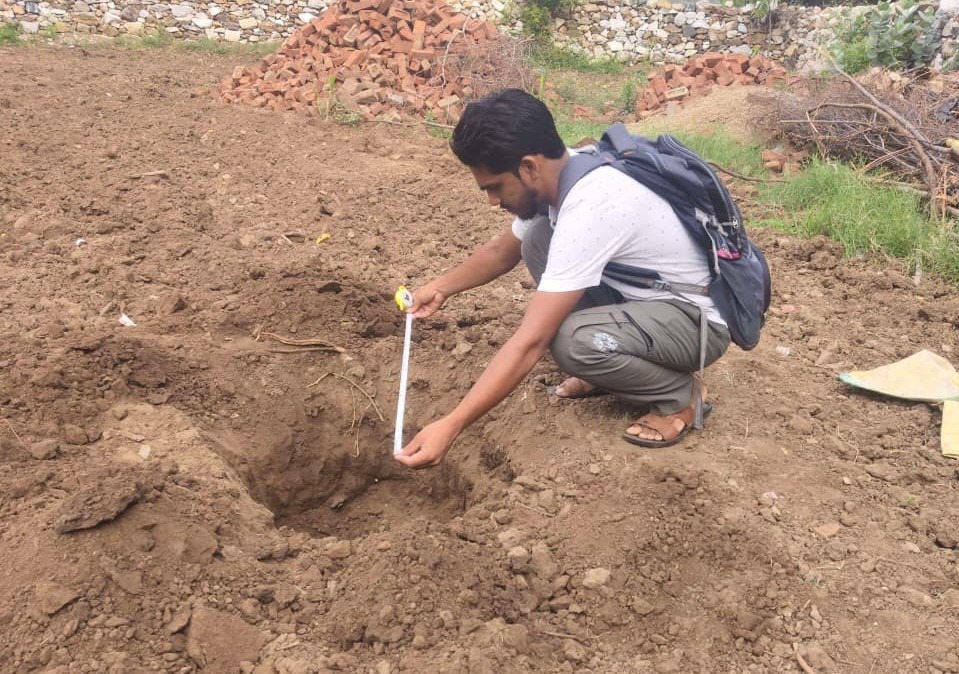
For many small and marginal farmers, poverty is linked not only to how much land they own, but to how little that land earns. Improving the productive potential of small farms is therefore an important part of strengthening rural livelihoods. Where local conditions are suitable, orchard-based farming offers one such pathway.
Fruit trees can transform a small parcel of land into a productive asset capable of generating recurring income over many years. While the orchard develops, vegetables, pulses and other intercrops can provide food and shorter-term earnings from the same land. This allows farmers to diversify production rather than depending on a single crop or source of farm income.
Planting trees, however, is only the beginning. A viable orchard requires appropriate planting material, reliable water, good soil and moisture management, protection of young plants, intercropping, farmer knowledge, continued technical support and, eventually, access to markets. This is why we approach orchards as livelihood systems rather than plantation programmes.
The pathway is simple, even if the work behind it is not: Land → Orchard → Diversified Production → Recurring Income → Greater Household Resilience. The objective is to help farming families build a productive asset that grows in value over time, diversifies income and creates greater economic security from land they already own.
Reviving Local Systems
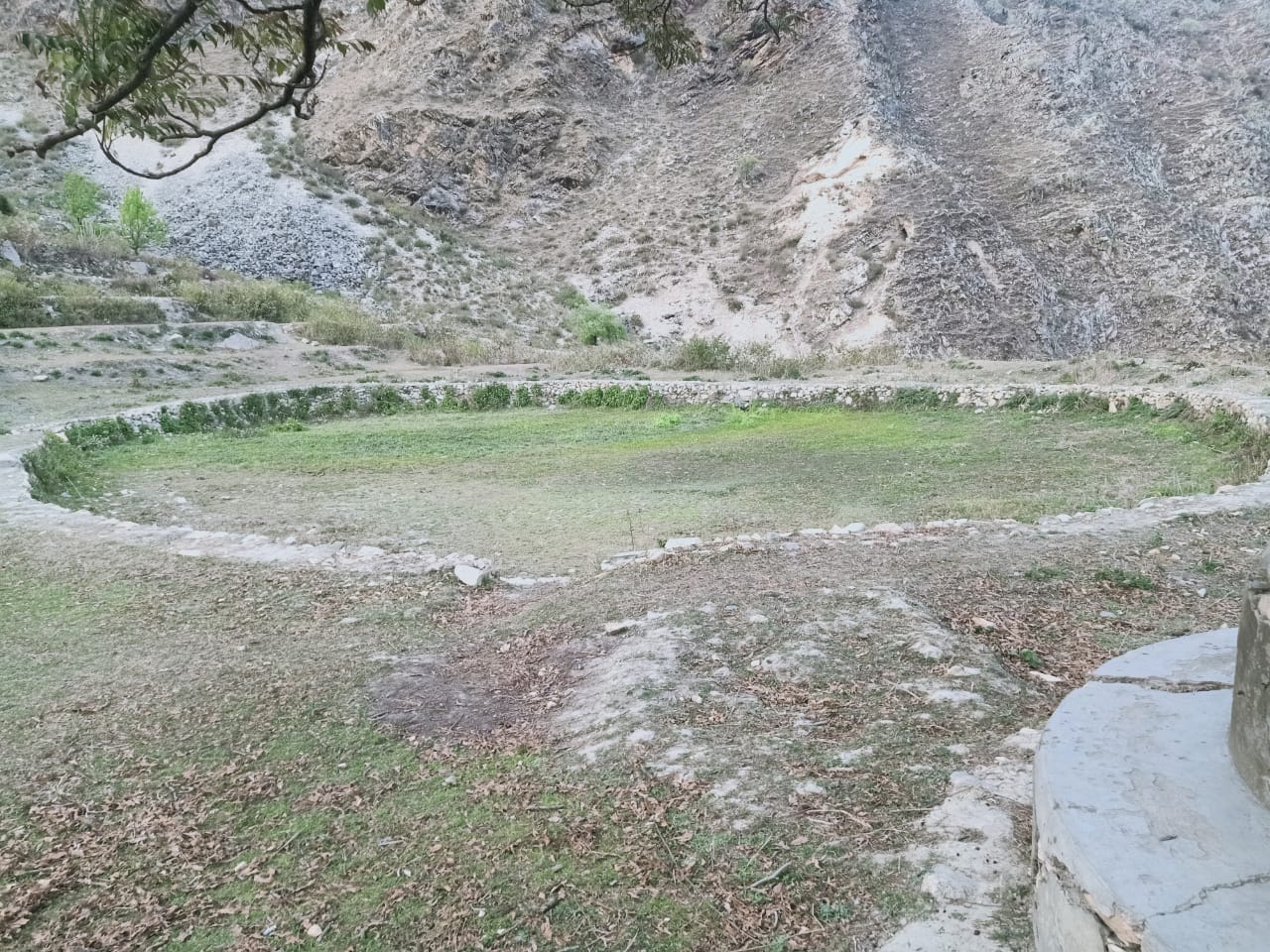
Restoring Watermills for Heritage, Livelihoods and Sustainability
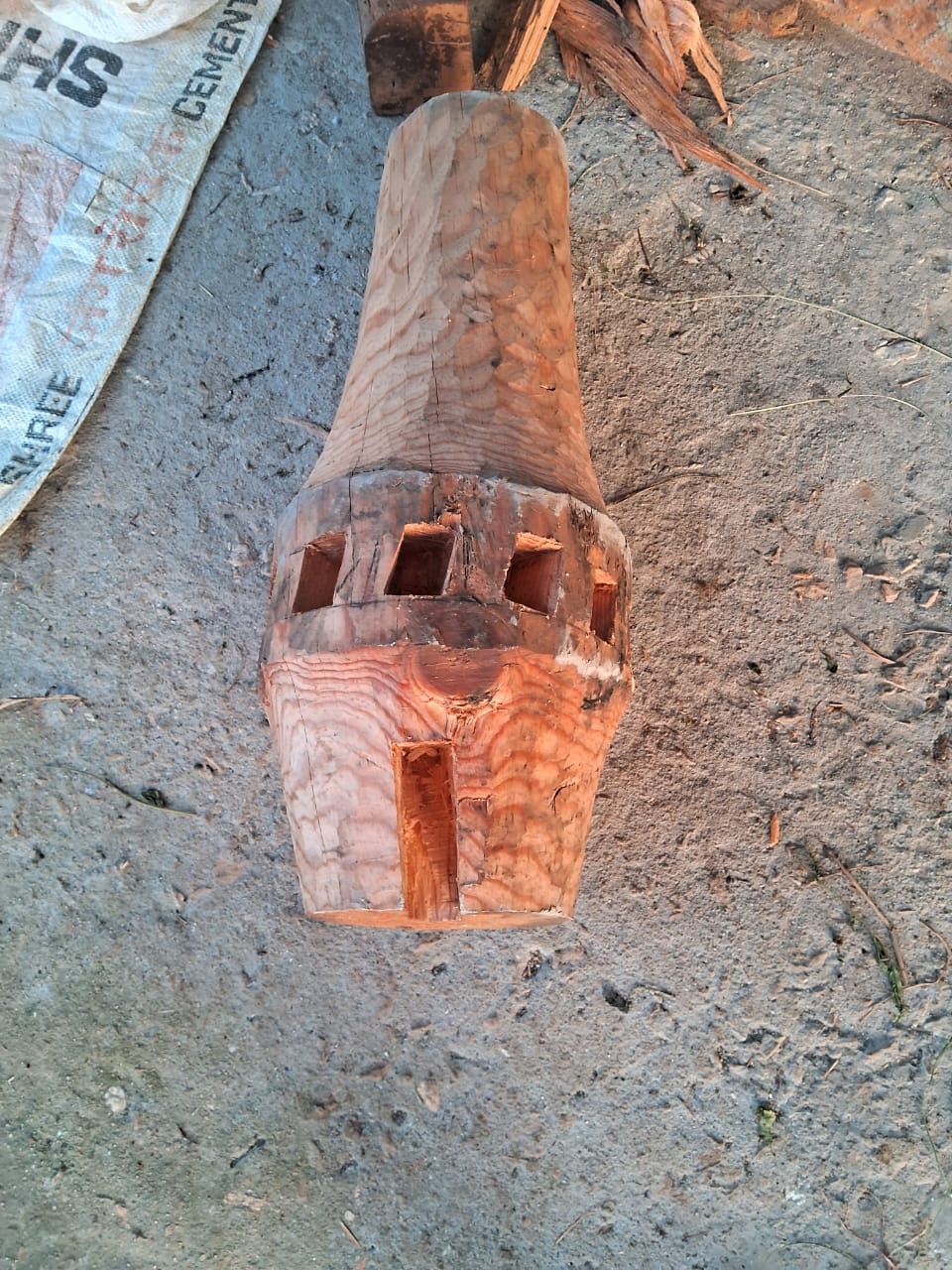
Across the Himalayan region, traditional watermills—or gharats—have long been part of village economies. Powered by flowing water, they provided communities with a locally managed means of grain processing using renewable energy available within the landscape. Over time, many of these systems have fallen out of use as structures deteriorated, water channels were damaged or alternative milling systems became more common.
In 2026, Aarangar began exploring the revival of these traditional systems by restoring a gharat and bringing it back into use. The work involved restoring the mill and the water channel that powers it, demonstrating how an existing community asset can once again serve a practical purpose.
This first restoration reflects a broader principle that runs through our approach to water, land and livelihoods: development does not always have to begin with something new. Traditional technologies and community knowledge can still offer practical, locally appropriate and low-carbon solutions when restored and adapted to present-day needs.
The experience also gives us an opportunity to learn from the process—what it takes to restore such systems, how they can remain viable, and where this approach may have relevance elsewhere. Capturing and sharing such learning is an important part of how we take field experience beyond an individual intervention.

Keeping Field Knowledge Accessible
Degree Centigrade, our English and Hindi knowledge platforms, document and share experiences, lessons and insights emerging from the field. Through case studies, stories, innovations and practical learning from Aarangar and other practitioners, we aim to ensure that valuable experience does not remain confined to individual projects or organisations.
The platforms also document India’s water heritage, including traditional water-harvesting systems, indigenous knowledge and community-led conservation practices. By bringing field experience and traditional knowledge together in an accessible repository, Degree Centigrade helps useful ideas and lessons travel beyond the places where they originate.
Working Across Regions
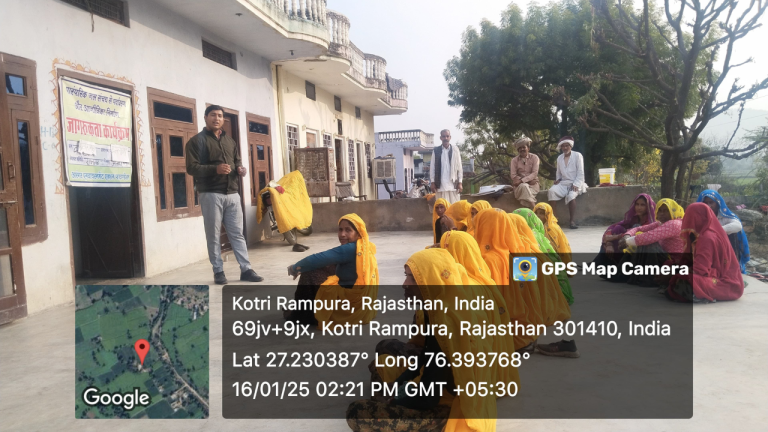
Rajasthan
We work in the Alwar and Jaipur districts of Rajasthan, where our initiatives focus on water conservation, climate-resilient agriculture, sustainable livelihoods, and community-led natural resource management.
By reviving traditional water harvesting systems and promoting regenerative farming practices, we help communities improve water security, restore degraded landscapes, and strengthen rural livelihoods.
Uttarakhand
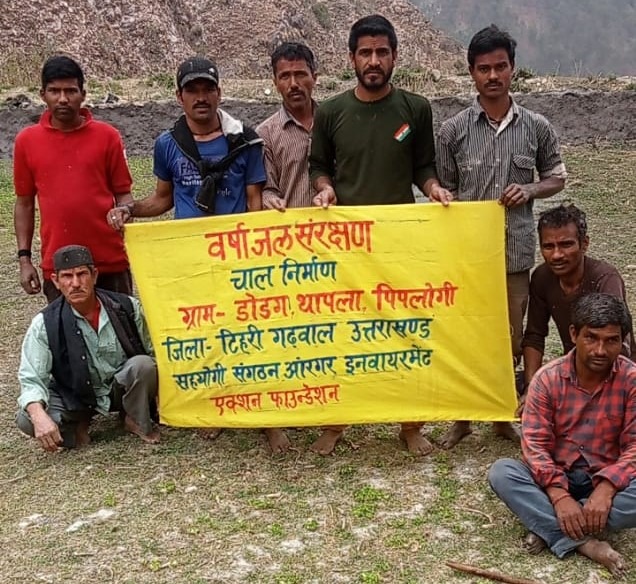
In the Himalayan landscapes of Uttarakhand, we work to revive traditional water harvesting systems and the ecological knowledge that has sustained mountain communities for generations. Our initiatives include the restoration of Chaal, Khal, Naula, and Dhara systems to improve spring recharge and water availability, as well as the revival of traditional Gharats (water mills) that once served as vital centres of rural livelihoods.
Working closely with local communities, we promote community stewardship, ecological restoration, and the sustainable management of these heritage systems. By restoring both water infrastructure and traditional knowledge, we help strengthen water security, support rural livelihoods, and preserve the cultural heritage of the Himalayas.