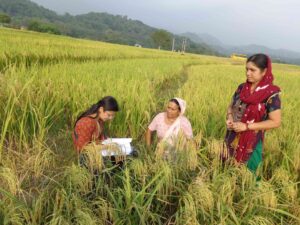
In early 2017, I accompanied Mr. Soumya Dutta, an environmentalist and citizen scientist to Palamu — my first and so far only visit to this part of Jharkhand. The purpose was to support ongoing fieldwork under a 7-state pilot initiative focused on understanding ecological and climate risks among small and marginal farmers. One of our stops was a village I had never heard of: Dubalganj.
The name itself carried a wound. “Dubal” comes from dobba, meaning submerged. When the Malay Dam was constructed in 1983–84, dozens of Adivasi families from Satbarwa block lost their land and homes to the rising waters. They were relocated to a patch of forest near the Palamu Tiger Reserve. Promised compensation, cultivable land, a school, and a health center — most of those promises were never kept. What remained was their deep resolve and a name to remember it by: Dubalganj — the place of the submerged.
Over 30 years later, when we visited, around 36 Adivasi families still lived there. They had slowly cleared patches of forest to farm, built modest homes, and tried to live with dignity. But now, they faced yet another blow — eviction notices from the Forest Department. Five families had already received formal letters asking them to vacate their homes, labeling them as “encroachers.” Cement boundary pillars had been planted right through their farmland.
The situation was tense. There were disputes with nearby non-tribal villages, resistance from local power structures, and even threats. Our local partner organization, Humanity, was also struggling financially. The field staff had gone unpaid for months, but their commitment had not faded.
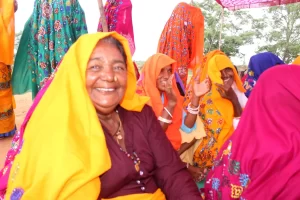
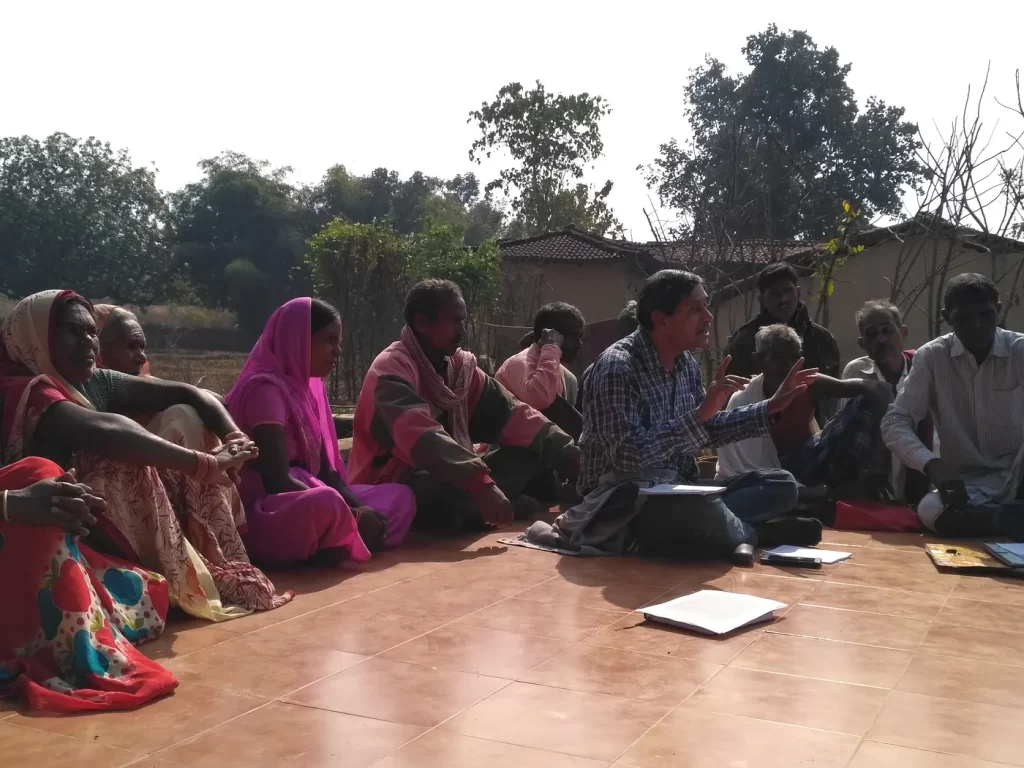
During our February visit, I saw firsthand the frustration and despair of the community. Their homes, their lives were at stake. Soumya ji held long discussions with the villagers — especially the women — and shared simple guides on the Forest Rights Act (FRA). Many villagers had never even heard of their legal entitlements before. The message was clear: the FRA could be their path to securing land and forest rights.
After we left the area the field workers continued their efforts. Media from Daltonganj was alerted. Applications under FRA were prepared. The news reached to the local MLA. Pressure was built — the right kind of pressure.
And it worked.
Months later, we heard that several families had received titles to the land they had cultivated for years. There was also an announcement that community forest rights would be granted where “Adim Janjati” (Particularly Vulnerable Tribal Groups) lived. It was a small but meaningful victory — the kind that restores faith in collective action.
I don’t know what happened afterward. But what I do know is this: timely, informed, and empathetic intervention can change lives, especially in rural and tribal communities where awareness of legal rights is low.
This was my small window into the lived struggle of Dubalganj — a forgotten village. For me, it wasn’t just a field visit. It was a moment of learning, humility, and witness.